
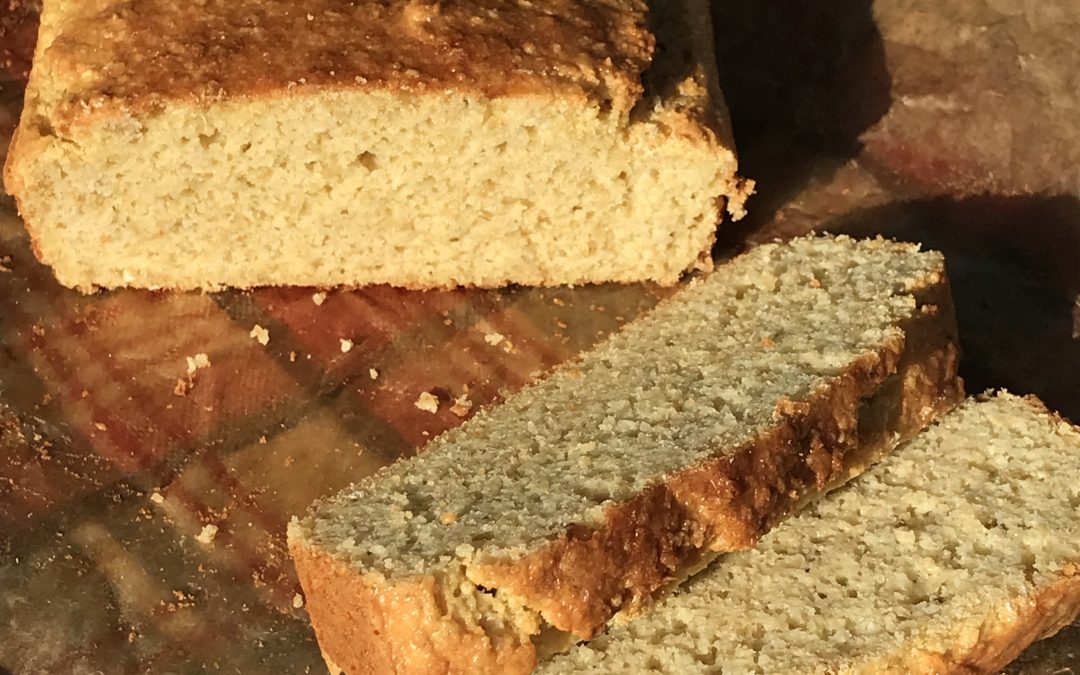
You walk into a bakery or stroll down a supermarket aisle, and there it is: “sourdough” plastered on the label like some sort of nutritional badge of honour. It makes you feel good — like you’re choosing better carbs — yet, look closer, and you might spot something unnervingly familiar: dextrose. That’s right — sugar, hiding in plain sight under the health halo.
But here’s the twist: the bread beneath that shiny label doesn’t have to be real sourdough at all. And that’s where things get interesting (and a bit frustrating). Let’s unpack why this matters — scientifically, historically, and practically.
A Quick French Lesson: Bread With Rules
In France, bread isn’t just bread — it’s almost sacred. Back in 1993, the French Parliament passed what’s affectionately known as Le Décret Pain (“the Bread Decree”), a law that prescribes exactly what “traditional French bread” can and cannot contain. For a loaf to qualify under certain traditional labels, it must be made only with flour, water, salt and yeast (which can include a natural sourdough starter), and nothing else — no additives, no preservatives, no sneaky sugars — and it must be baked on the premises where it’s sold.
That’s artisan authenticity — baked right where you see it, with transparent ingredients. In essence, the decree protects both the craft of baking and the consumer from processed impostors.
What Sourdough Really Is (And Isn’t)
Traditional sourdough — made with a “starter” of flour, water, wild yeast and lactic acid bacteria — is a product of fermentation. Unlike breads made with commercially produced yeast alone, sourdough’s microbes work slowly, breaking down the complex carbohydrates and producing acids that give it that tangy flavour.
Now, let’s talk benefits — because sourdough has a few genuinely cool ones going for it:
- Lower Glycemic Impact
Because of its fermentation, sourdough typically has a lower glycemic index compared to most commercial breads. That means your blood sugar tends to rise more slowly after eating it — a small but meaningful edge if you’re thinking about energy and metabolic health.
- Easier Digestion
The fermentation process partially breaks down gluten and other complex compounds, which can make sourdough feel easier on the digestive system for many people (though it’s important to note that it’s not gluten-free). Hopefully that’s a relief to anyone who’s ever felt bloated after industrial bread!
- Better Mineral Absorption
Sourdough fermentation can reduce phytic acid, a natural compound in grains that binds to minerals like iron and zinc and inhibits absorption. By lowering phytic acid, real sourdough makes minerals more available to your body.
- Gut-Friendly Flourishes
While the bacteria themselves don’t survive baking, sourdough can leave behind prebiotic compounds and acids that support gut health. It’s not a probiotic powerhouse, but it’s a step up from ultra-processed white bread.
So far, so promising. But here’s the rub: most store-bought sourdough doesn’t follow these artisanal principles. The word “sourdough” has become a marketing term, and that’s where the sugar creeps in.
How “Sourdough” Turns Sneaky
Enter the supermarket loaf. You pick up a package labelled “sourdough,” feeling pretty virtuous… until you find dextrose (a form of sugar) listed in the ingredients. Dextrose might be added to:
- speed up fermentation or improve rise,
- enhance browning of the crust,
- feed yeast so the industrial process happens faster,
- or simply make the bread taste sweeter.
This stuff doesn’t belong in traditional sourdough, but in the maze of industrial baking that’s common in the US and UK today, it’s pretty normal. The result? A product that might taste tangy but metabolically behaves more like a refined bread with added sugar — fuelling cravings rather than stabilizing them.
The presence of added sugars can kick off a cycle most of us know too well:
raise blood sugar → trigger cravings → induce guilt → prompt all-or-nothing eating cycles.
This isn’t about willpower — it’s about misleading ingredient labels.
So What’s a Bread Lover to Do?
Here are some practical tips that cut through the noise:
✔ Read ingredient lists like a champ.
If you see dextrose, malted barley flour, or unrecognisable preservatives — that loaf isn’t traditional sourdough.
✔ Look for simplicity.
Real sourdough ingredients = flour, water, salt, starter (no added sugar). Anything more is at best artisanal imitation, and at worst, sugar camouflage.
✔ Pair with balanced meals.
Even genuine sourdough is bread — it’s carbohydrate — so pairing it with protein, fats and fibre will help keep your blood sugar steady.
✔ Bake at home if you can.
It’s a hobby and a cheat code. Homemade sourdough means full control over ingredients — and flavour that’s almost impossible to beat.
Bread as Awareness
Sourdough’s rise in popularity is more than culinary nostalgia — it reflects a collective yearning for whole foods, transparency, and real nourishment. But the industrial co-option of “health halo” terms like sourdough has muddied the waters.
So next time you reach for that loaf, remember: look past the label, read the list, and be curious about every ingredient. Your body — and your cravings — will thank you later.